Color Codes and Load Capacities in Polyester Slings: A Practical Guide for Correct Sling Selection
electing the correct equipment in industrial lifting operations is of great importance for both workplace safety and operational efficiency. Polyester slings (webbing sling) are preferred in many sectors due to their lightness, flexibility, and high strength. However, one of the most critical steps in choosing the right sling is correctly understanding the load capacities defined according to color codes.
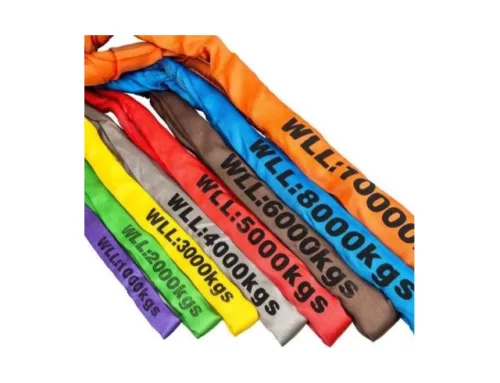
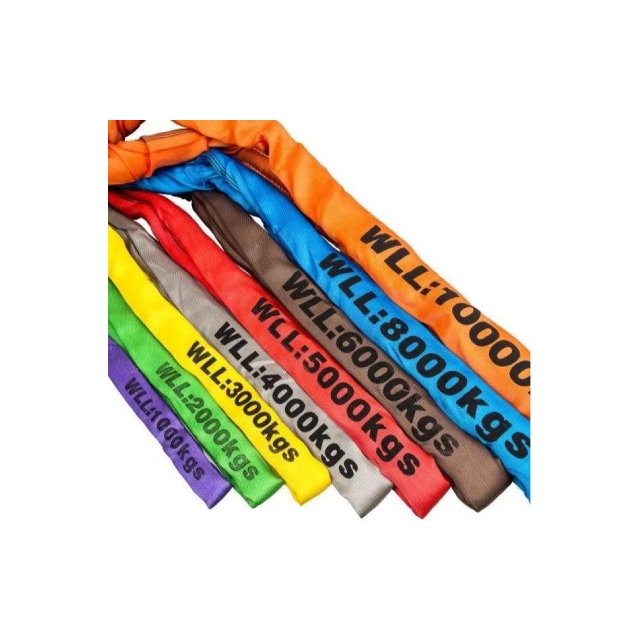
The colors used in polyester slings are determined in accordance with international standards, and each color represents a specific WLL (Working Load Limit – Working Load Limit) value. Thanks to this system, users can quickly get an idea of the capacity even without looking at the sling label.
In general, the commonly used color-capacity matches are as follows:
This color scale is based on the EN 1492-1 standard and ensures that all users speak the same safety language when selecting slings. For example, if a 5-ton load is to be lifted in a workplace, a red polyester sling would be the correct choice. Using a product above its load capacity can lead to equipment damage, load tipping, and serious work accidents.


Another criterion as important as capacity for lifting safety is the lifting angle. The same sling can provide a lower load value than its nominal capacity when used at a 60° angle. Therefore, even though color codes indicate the correct capacity, users should always pay attention to the angle chart, label information, and manufacturer certificates.
The standardization of color codes ensures the rapid and safe selection of the correct equipment across all sectors, from shipyards to logistics centers, and from steel structure manufacturers to energy facilities. This saves time, minimizes operational errors, and elevates workplace safety to a higher level.